Spring Washer (Split Washer)
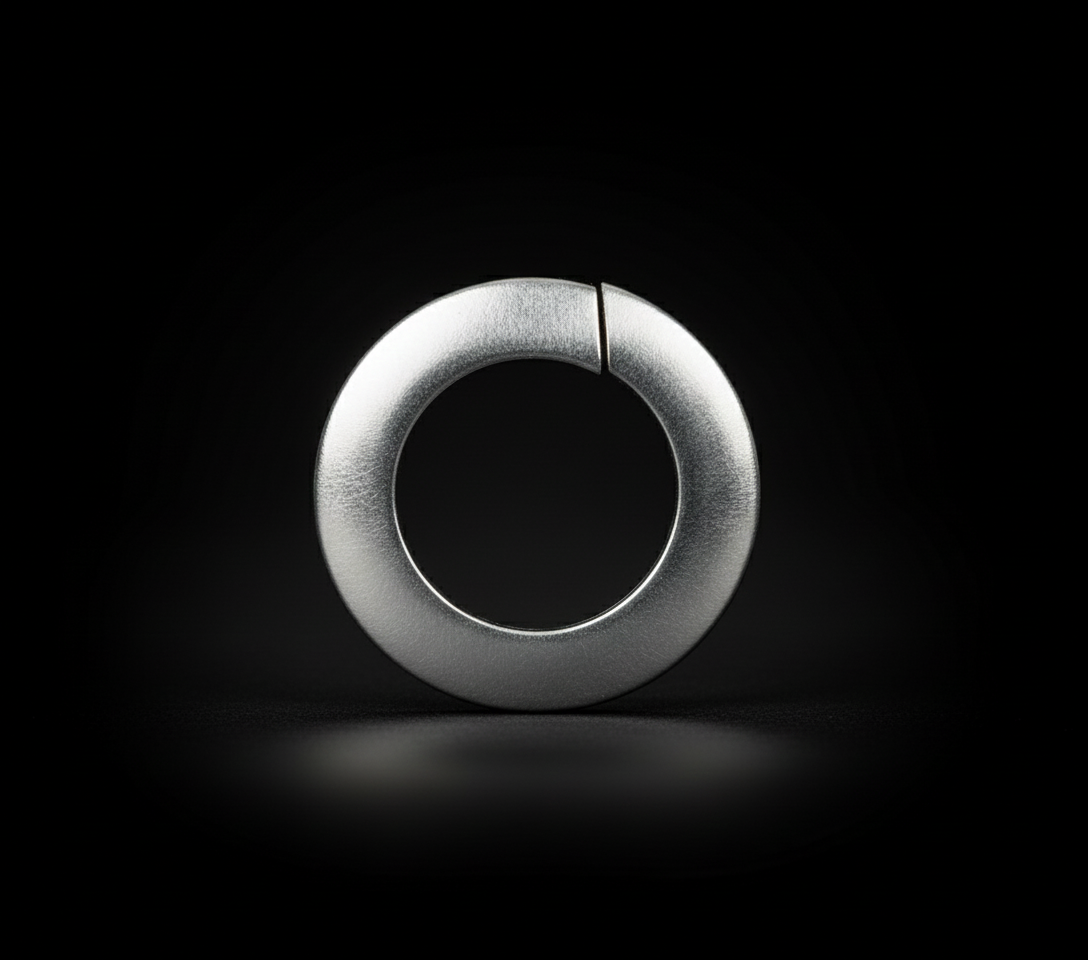
Spring Steel
DIN 127-B| Size | M2 | M2.5 | M3 | M4 | M5 | M6 | M8 | M10 | M12 | M14 | M16 | M18 | M20 | M22 | M24 | M27 | M30 | M36 |
|---|---|---|---|---|---|---|---|---|---|---|---|---|---|---|---|---|---|---|
| DIN 127-B |
Selected: Spring Steel · choose a size from the chart
Available in Spring Steel, Stainless Steel 304 / A2 and Galvanized Steel. Standard sizes (DIN 127-B): M2, M2.5, M3, M4, M5, M6, M8, M10, M12, M14, M16, M18, M20, M22, M24, M27, M30, M36. Request a quote for your exact requirement.
Spring Washers, also known as Split Lock Washers, feature a helical cut that allows them to exert continuous tension when compressed. This tension helps prevent rotation and loosening of the fastener, especially under vibration or dynamic loads. Widely used across mechanical, industrial, and automotive assemblies, Spring Washers offer dependable, cost-effective locking performance and enhanced fastening security. Also commonly known as Split Washer or Lock Washer in the trade.
About Spring Washer
Spring washers are split, helical washers made from hardened spring steel that sit under a nut or bolt head. They are also called split washers, spring lock washers or lock washers. The common standards are DIN 127 and IS 3063. A spring washer is cut and twisted so its ends are offset. When the nut is tightened, the washer flattens and pushes back with spring force. DIN 127 Form A has tang ends, and Form B has flat ends. Steel spring washers are hardened to about 420 to 560 HV. Stainless steel spring washers are made in SS 304. DIN 127 was withdrawn in Germany in 2003, because tests showed limited locking benefit in high-preload joints. It is still widely used for low-strength joints and general assembly.
Applications
- •General assembly with property class 4.6 and 5.8 bolts
- •Electrical terminals and bus bar connections
- •Motor and pump mounting
- •Light structural and fabrication joints
- •Agricultural and two-wheeler fittings
- •Maintenance and replacement fastening
Specifications
- Materials
- Spring Steel, SS 304, Galvanised Steel
- Size range
- M3 to M36 bolt sizes
- Standards
- DIN 127 (Form A and B), IS 3063
Industries served
- Electrical
- Industrial machinery
- Automotive
- Agriculture
- Construction
Related categories
Spring Washer: frequently asked questions
Do spring washers prevent bolts from loosening?
Only partly. Transverse vibration tests (Junker test, DIN 65151) show that split spring washers give little resistance once a bolt is fully tightened. They help in low-preload joints and help keep tension where the joint settles. For high-vibration, high-preload joints, use a nyloc nut or wedge lock washer instead.
Should a spring washer go above or below a plain washer?
Place the spring washer directly under the nut or bolt head, with the plain washer under it against the part. The spring washer then bears on the hard plain washer instead of digging into a soft surface.
What is the difference between DIN 127 Form A and Form B?
DIN 127 Form A spring washers have tang ends that bite into the nut and the part. Form B washers have flat, smooth ends. Form B is the more common type and is less likely to damage painted or plated surfaces.
Can I use spring washers with grade 8.8 or 10.9 bolts?
It is not recommended. A grade 8.8 or 10.9 bolt clamps hard enough to flatten the spring washer completely, so it adds no locking effect. Use a hardened plain washer with correct preload, or a dedicated locking method.
Are spring washers reusable?
Spring washers should be replaced after removal. Once flattened, a spring washer loses most of its spring force. A used washer that lies flat no longer serves any purpose in the joint.