Split Pin (Cotter Pin)
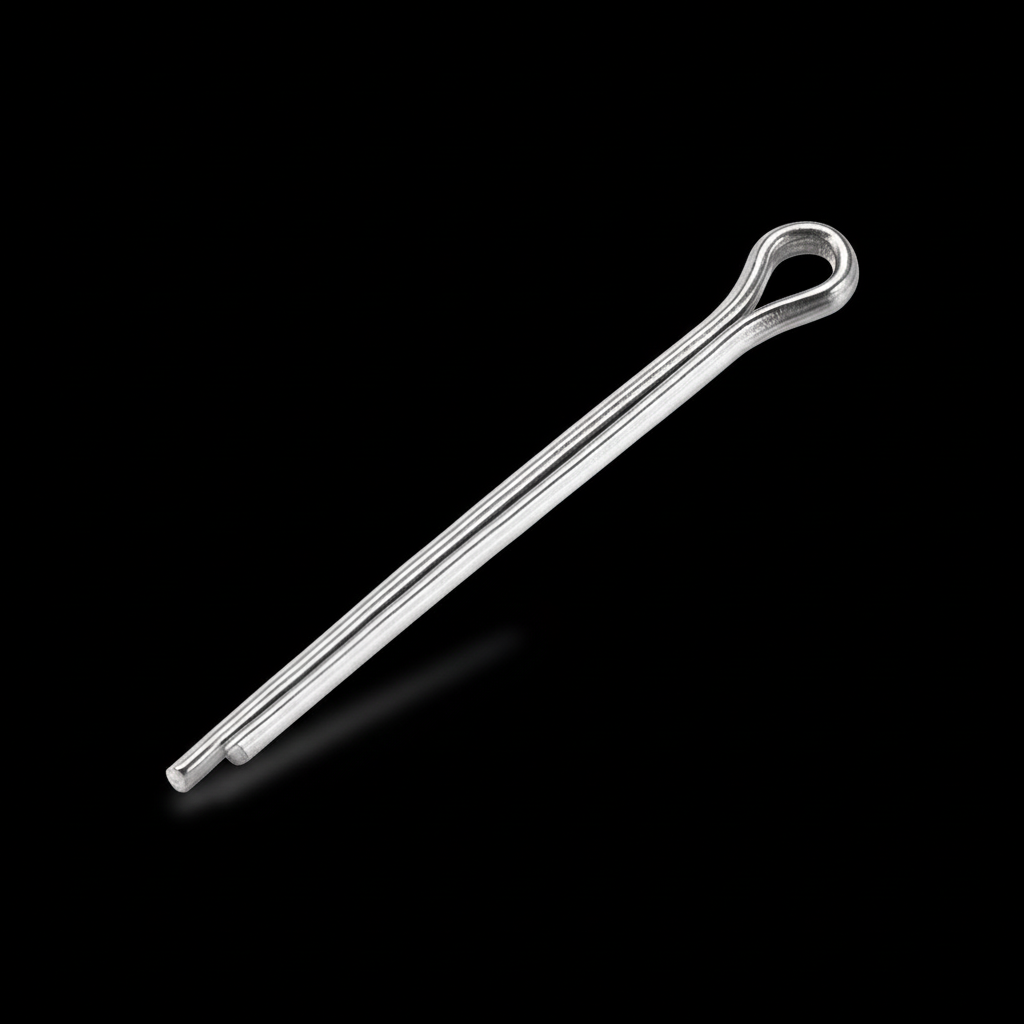
Steel Zinc Plated
DIN 94 / ISO 1234| mm | 4 | 5 | 6 | 8 | 10 | 12 | 14 | 16 | 18 | 20 | 22 | 25 | 28 | 32 | 36 | 40 | 45 | 50 | 56 | 63 | 71 | 80 | 90 | 100 | 112 | 125 | 140 | 160 | 180 | 200 |
|---|---|---|---|---|---|---|---|---|---|---|---|---|---|---|---|---|---|---|---|---|---|---|---|---|---|---|---|---|---|---|
| Ø1 | — | — | — | — | — | — | — | — | — | — | — | — | — | — | — | — | — | — | — | — | — | — | ||||||||
| Ø1.2 | — | — | — | — | — | — | — | — | — | — | — | — | — | — | — | — | — | — | — | — | — | |||||||||
| Ø1.6 | — | — | — | — | — | — | — | — | — | — | — | — | — | — | — | — | — | — | — | |||||||||||
| Ø2 | — | — | — | — | — | — | — | — | — | — | — | — | — | — | — | — | — | — | ||||||||||||
| Ø2.5 | — | — | — | — | — | — | — | — | — | — | — | — | — | — | — | — | — | |||||||||||||
| Ø3.2 | — | — | — | — | — | — | — | — | — | — | — | — | — | — | — | — | ||||||||||||||
| Ø4 | — | — | — | — | — | — | — | — | — | — | — | — | — | — | — | — | ||||||||||||||
| Ø5 | — | — | — | — | — | — | — | — | — | — | — | — | — | — | — | — | ||||||||||||||
| Ø6.3 | — | — | — | — | — | — | — | — | — | — | — | — | — | — | — | — | — | |||||||||||||
| Ø8 | — | — | — | — | — | — | — | — | — | — | — | — | — | — | — | — | — | |||||||||||||
| Ø10 | — | — | — | — | — | — | — | — | — | — | — | — | — | — | — | — |
Selected: Steel Zinc Plated · choose a size from the chart
Available in Steel Zinc Plated, Stainless Steel 304 / A2 and Brass. Standard sizes (DIN 94 / ISO 1234): Ø1 (6-20mm), Ø1.2 (8-25mm), Ø1.6 (8-32mm), Ø2 (10-40mm), Ø2.5 (12-50mm), Ø3.2 (14-63mm), Ø4 (18-80mm), Ø5 (22-100mm), Ø6.3 (32-125mm), Ø8 (40-160mm), Ø10 (45-200mm). Request a quote for your exact requirement.
Cotter Pins are split metal fasteners designed to prevent nuts or pins from slipping out of an assembly. Once inserted, their ends are bent to lock them in place. Widely used in machinery and mechanical joints, they offer a dependable, cost-effective solution for secure locking and vibration resistance. Also commonly known as Cotter Pin or R-Pin in the trade.
About Split Pin
Cotter pins are two-legged pins formed from half-round wire that pass through a hole and are locked by bending the legs apart. They are also called split pins. The standards are ISO 1234, DIN 94 and IS 549. A cotter pin is used to stop a castle nut from turning or to keep a clevis pin from sliding out. It is a locking device and is not meant to carry the main load. The legs are bent after fitting, so the pin cannot fall out under vibration. The nominal size of a cotter pin is the diameter of the hole it fits, not the wire size. Standard sizes include 1, 1.6, 2, 2.5, 3.2, 4, 5, 6.3 and 8 mm. Cotter pins are made in zinc-plated steel, SS 304 and brass.
Applications
- •Locking castle nuts on axles and wheel hubs
- •Retaining clevis pins in linkages
- •Agricultural implements and hitches
- •Automotive steering and brake linkages
- •Hinges and pivot joints
- •Trailer couplings and towing equipment
Specifications
- Materials
- Zinc Plated Steel, SS 304, Brass
- Size range
- Nominal sizes 1 mm to 8 mm, lengths 10 mm to 100 mm
- Standards
- ISO 1234, DIN 94, IS 549
Industries served
- Automotive
- Agriculture
- Industrial machinery
- Construction equipment
- Railways
Related categories
Split Pin: frequently asked questions
How do I choose the size of a cotter pin?
Choose the cotter pin whose nominal size matches the hole diameter. A 3.2 mm cotter pin fits a 3.2 mm hole. The actual wire is slightly smaller than the nominal size so it slides in easily.
Is a split pin the same as a cotter pin?
Yes. Split pin is the common term in India and the UK, and cotter pin is the common term in the US. Both refer to the ISO 1234 or DIN 94 two-legged pin. In engineering, a cotter can also mean a tapered wedge, which is a different part.
Can cotter pins be reused?
No. A cotter pin should be replaced each time it is removed. Bending the legs back and forth work-hardens the wire and can cause it to crack or break in service.
How should the legs of a cotter pin be bent?
On a castle nut, bend one leg up over the end of the bolt and the other down against the side of the nut. On a clevis pin, bend both legs apart around the pin. The legs should lie tight so they cannot catch on moving parts.
Which material should I use for cotter pins?
Use zinc-plated steel for general machinery and SS 304 for outdoor, marine or food equipment. Brass cotter pins are used where corrosion resistance and non-sparking properties are needed. Match the pin material to the castle nut or clevis to avoid galvanic corrosion.