Solid Dowel Pin (Solid Dowel)
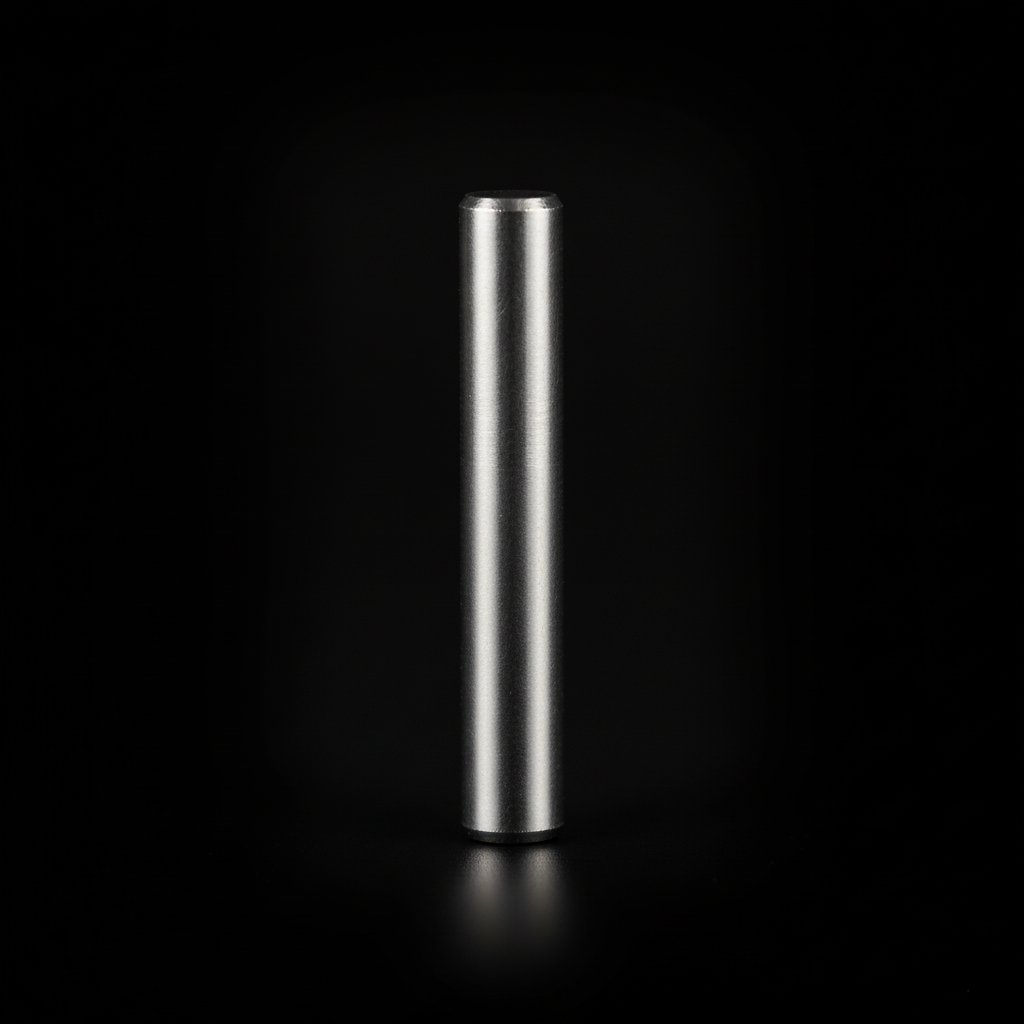
Hardened Steel
DIN 6325 / ISO 8734| mm | 3 | 4 | 5 | 6 | 8 | 10 | 12 | 14 | 16 | 18 | 20 | 22 | 24 | 26 | 28 | 30 | 32 | 35 | 40 | 45 | 50 | 55 | 60 | 70 | 80 | 90 | 100 |
|---|---|---|---|---|---|---|---|---|---|---|---|---|---|---|---|---|---|---|---|---|---|---|---|---|---|---|---|
| Ø1 | — | — | — | — | — | — | — | — | — | — | — | — | — | — | — | — | — | — | — | — | — | ||||||
| Ø1.5 | — | — | — | — | — | — | — | — | — | — | — | — | — | — | — | — | — | — | — | ||||||||
| Ø2 | — | — | — | — | — | — | — | — | — | — | — | — | — | — | — | — | — | — | |||||||||
| Ø2.5 | — | — | — | — | — | — | — | — | — | — | — | — | — | — | — | — | — | ||||||||||
| Ø3 | — | — | — | — | — | — | — | — | — | — | — | — | — | — | — | ||||||||||||
| Ø4 | — | — | — | — | — | — | — | — | — | — | — | — | — | ||||||||||||||
| Ø5 | — | — | — | — | — | — | — | — | — | — | — | — | |||||||||||||||
| Ø6 | — | — | — | — | — | — | — | — | — | — | — | ||||||||||||||||
| Ø8 | — | — | — | — | — | — | — | — | — | — | — | ||||||||||||||||
| Ø10 | — | — | — | — | — | — | — | — | — | — | — | ||||||||||||||||
| Ø12 | — | — | — | — | — | — | — | — | — | — | — | — | — | ||||||||||||||
| Ø16 | — | — | — | — | — | — | — | — | — | — | — | — | — | — | — | — | — | — | |||||||||
| Ø20 | — | — | — | — | — | — | — | — | — | — | — | — | — | — | — | — | — | — | — | — |
Selected: Hardened Steel · choose a size from the chart
Available in Hardened Steel, Stainless Steel 303 and Alloy Steel. Standard sizes (DIN 6325 / ISO 8734): Ø1 (3-10mm), Ø1.5 (4-16mm), Ø2 (5-20mm), Ø2.5 (6-24mm), Ø3 (8-30mm), Ø4 (10-40mm), Ø5 (12-50mm), Ø6 (14-60mm), Ø8 (18-80mm), Ø10 (22-100mm), Ø12 (26-100mm), Ø16 (40-100mm), Ø20 (50-100mm). Request a quote for your exact requirement.
Solid Dowel Pins are cylindrical, precision-ground pins designed to ensure accurate alignment and secure positioning of parts in mechanical assemblies. With tight tolerances and high rigidity, they provide excellent shear strength and stability, making them essential in machinery builds, tooling, and fixtures. These pins deliver consistent, repeatable alignment, helping maintain accuracy and performance in high-precision applications. Also commonly known as Solid Dowel or Cylindrical Pin in the trade.
About Solid Dowel Pin
Dowel pins are solid, precision-ground cylindrical pins used to locate two parts in an exact position relative to each other. They are also called parallel pins, cylindrical pins or solid dowels. Hardened dowel pins are made to DIN 6325 and ISO 8734. Unhardened pins are made to DIN 7 and ISO 2338. A dowel pin fixes position, while the screws in the same joint provide clamp force. Two dowel pins stop parts sliding or rotating and let them be taken apart and refitted to the same position. DIN 6325 pins are hardened to about 60 HRC and ground to m6 tolerance. They are usually pressed into an H7 reamed hole. Stainless steel dowel pins, typically SS 303, are used where corrosion resistance matters more than hardness.
Applications
- •Locating die sets and press tools
- •Fixtures, jigs and work-holding
- •Gearbox and pump housing alignment
- •Mould plates and inserts
- •Machine bases and motor mounts
- •Hinge and pivot pins in light assemblies
Specifications
- Materials
- Hardened Steel, Alloy Steel, SS 303
- Size range
- Diameters 2 mm to 20 mm, lengths 6 mm to 100 mm
- Standards
- DIN 6325 / ISO 8734 (hardened), DIN 7 / ISO 2338 (unhardened)
Industries served
- Die and mould making
- Machine tools
- Automotive
- Industrial machinery
- Precision engineering
Related categories
Solid Dowel Pin: frequently asked questions
What hole tolerance should I use for a dowel pin?
For a DIN 6325 dowel pin with m6 tolerance, ream the hole to H7. This gives a light press fit in one part. In the mating part, a slightly larger slip-fit hole lets the parts be separated without removing the pin.
What is the difference between DIN 6325 and DIN 7 dowel pins?
DIN 6325 (ISO 8734) pins are hardened to about 60 HRC and ground to m6 tolerance. DIN 7 (ISO 2338) pins are unhardened and come in m6 or h8 tolerance. Use DIN 6325 in tooling and high-wear locations, and DIN 7 for general alignment.
How many dowel pins should I use?
Use two dowel pins per joint, spaced as far apart as possible. One pin stops sliding but lets the part rotate around it. Two pins fix both position and rotation. More than two pins over-constrain the joint and make assembly difficult.
Should dowel pins take the load instead of the screws?
Dowel pins take shear load and fix position. The screws provide clamping force. In a properly designed joint, the dowels prevent the parts from shifting, so the screws are not loaded in shear.
What is a dowel pin with an internal thread used for?
A dowel pin with an internal thread (ISO 8735) can be pulled out with a bolt or extractor from a blind hole. Use it where the hole is not drilled through and the pin cannot be pressed out from behind.